
WW2 Group 3 to Buckle 2nd Cambs Reg – Burma Railway.
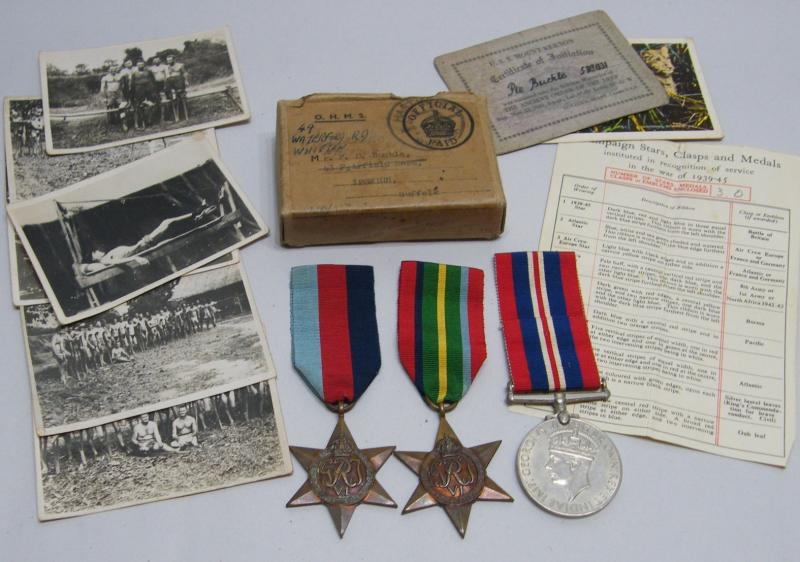
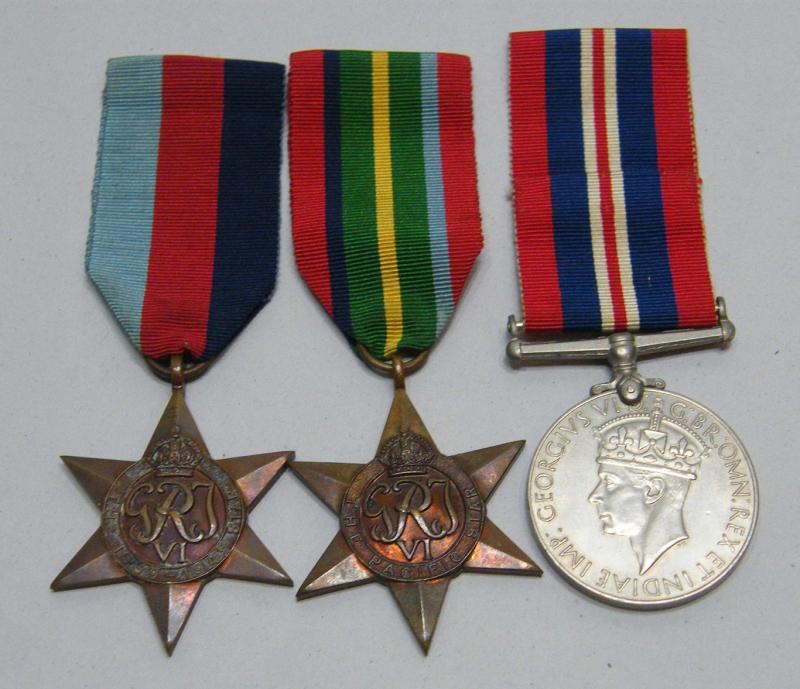
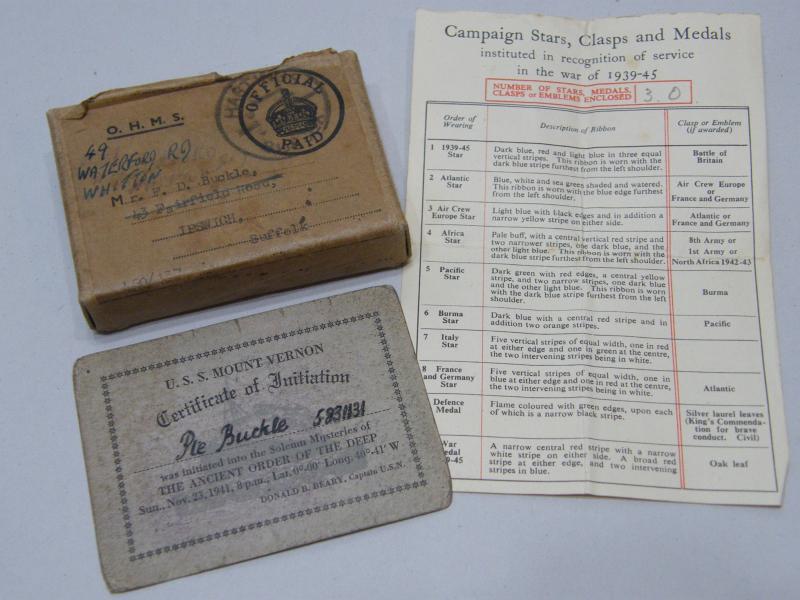
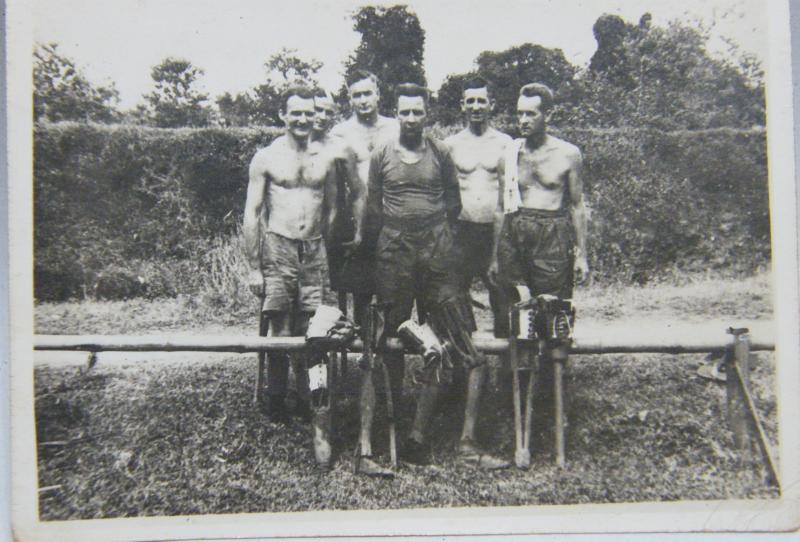
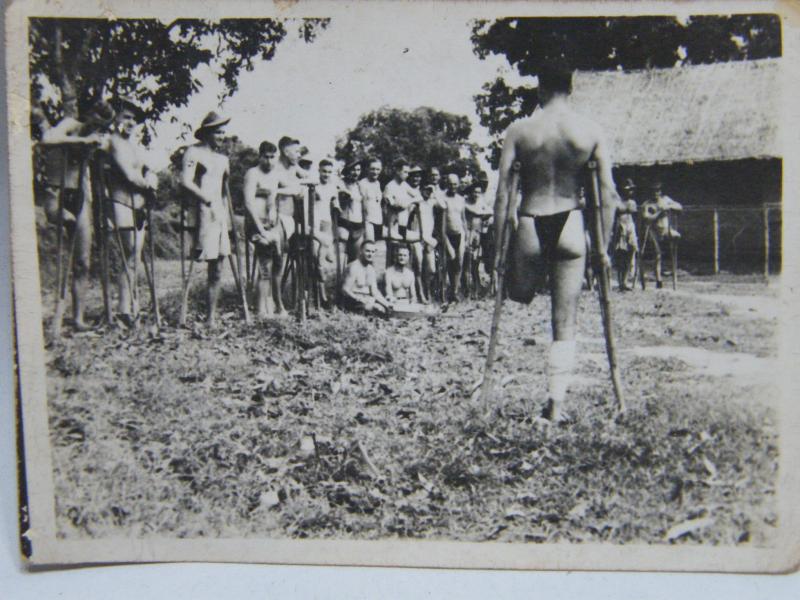
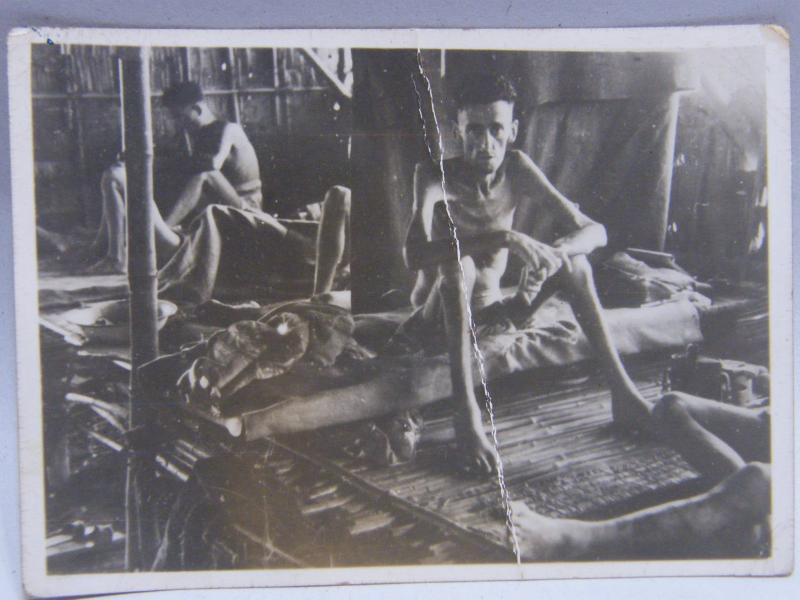
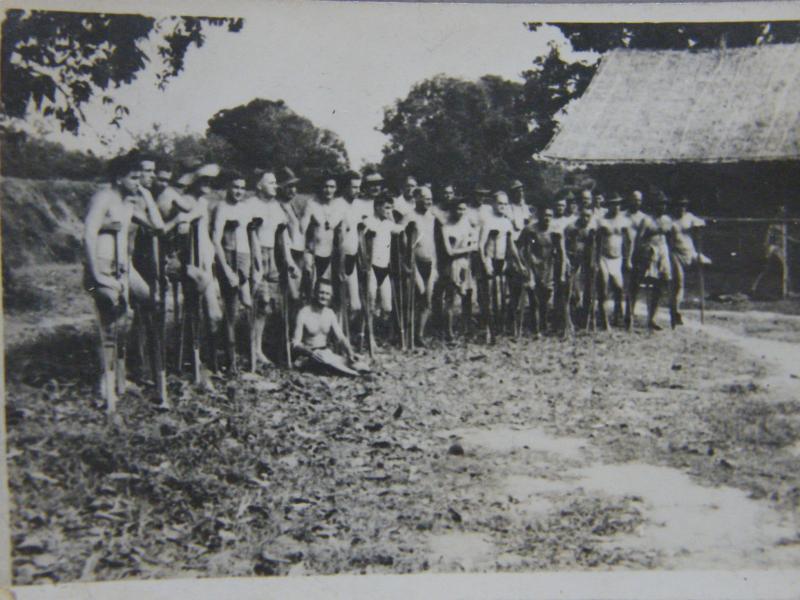
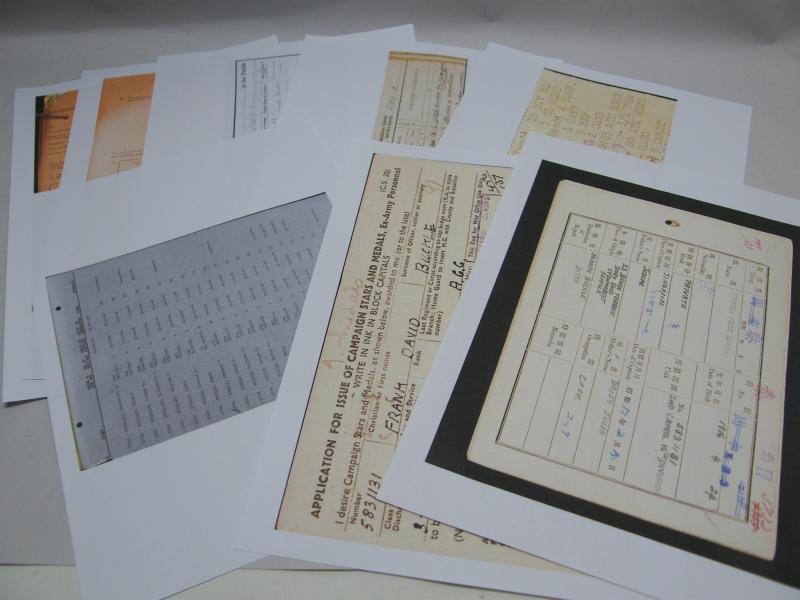
WW2 Group comprising of the 1939/45 star, Pacific Star and the 1939/45 war medal all in named and addressed box of issue named to F. D. Buckle and medal issue slip. It also comes with a few pieces of original ephemera and some amazing original photographs of men in the Japanese POW camp, all relating to 5831131 Frank David Buckle 2nd Cambridgeshire regiment – Army Catering Corps.
Frank David Buckle was born in Combs Suffolk on 24th April 1916. Before the war he lived and worked as a metal bender in Stowmarket. Frank enlisted into the 2nd Cambridgeshire regiment on catering duties later coming under the Army Catering corps but still attached to the Cambridge regiment.
The 2nd Battalion, The Cambridgeshire Regiment, was a Territorial Army unit raised in June 1939 and embodied at the start of World War II. As part of the 53rd Infantry Brigade, 18th Infantry Division. They sailed from the UK in October 1941, initially destined for the Middle East or India, but diverted to Singapore following the outbreak of war in the Pacific.
In early 1942 the 2nd battalion was sent to reinforce the 15th Indian Brigade at Batu Pahat. The brigade held the town for ten days against attack by the Imperial Japanese Army; some 500 troops from the battalion fought their way back to Singapore and were attacked on all sides at Braddell Road in Singapore before being ordered to surrender.
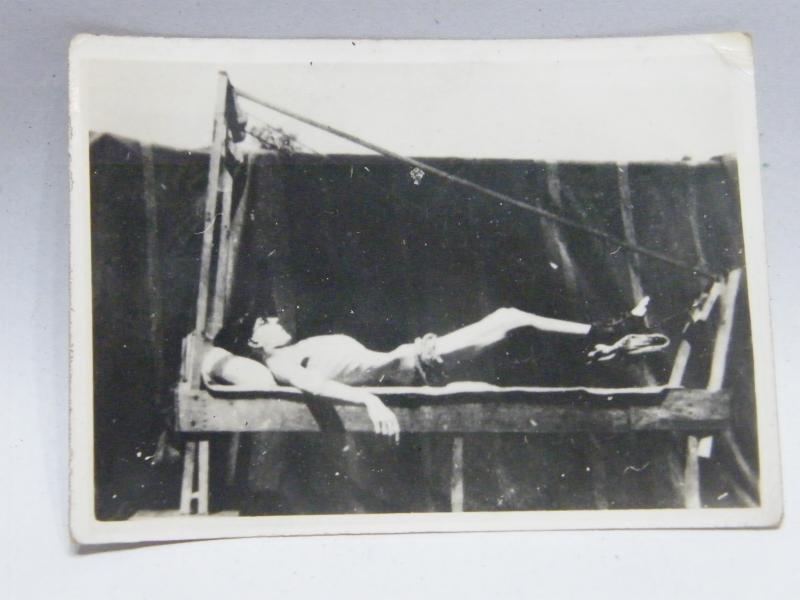
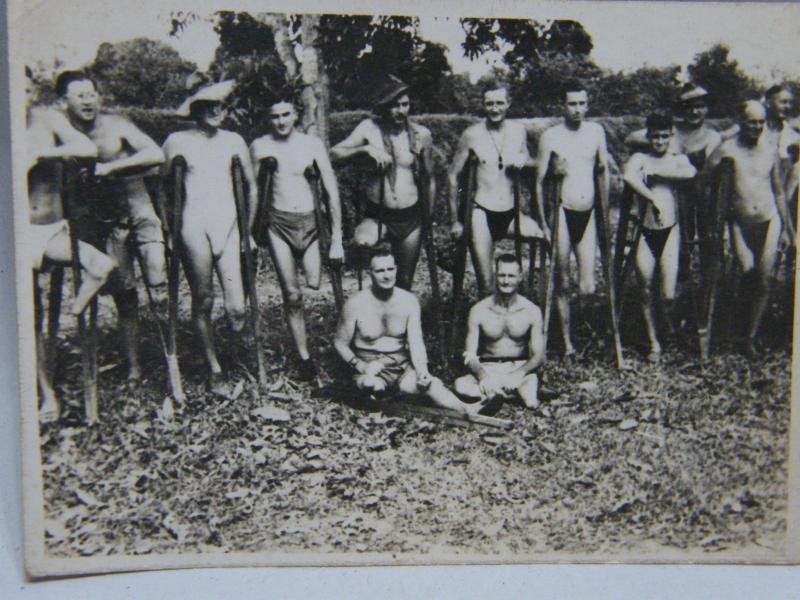
After the surrender Frank was first send to the Changi POW camp located on the Changi Peninsula in Singapore, the camp was established following the British surrender in February 1942. This was a massive holding camp for Military and civilians before being sent to one of the labour camps. From Changi, Frank was sent to Thailand to work on the Thai–Burma Railway, where men were forced to work and enduring extreme starvation, disease, and maltreatment. One of the most common illnesses in these camps were tropical ulcers and gangrene due to lack of necessary nutrition and basic health care. Prisoner doctors were frequently forced to perform emergency amputations under primitive conditions and often without proper anaesthesia or surgical instruments. The doctors and members of the Royal Army Medal Corps. Towards the end of the war in 1945, he was transferred to Nakam-Nayo, this was also known as Nakom Nayok, Nakorn Nayok etc, located approximately 50 miles northeast of Bangkok, Thailand. Designated by the Japanese as Thailand POW Camp No. 5 Detached Camp, it operated during the final months of World War II from March to August 1945. By the end of the war, the camp held approximately 2,000 Allied POWs, primarily British and Australian troops alongside a small number of Americans, many of whom had survived forced labour on the Burma -Thailand Railway many with terrible wounds and amputees. The camp was built on low-lying paddy fields with a water table just a few feet below the surface. Because latrines were constructed as earth mounds above ground, heavy monsoon rains regularly flooded the compound and washed raw sewage through the living quarters. Prisoners were forced to dig deep trenches and tunnels into the surrounding hills. These underground facilities were intended to store military supplies and aviation fuel drums for the Imperial Japanese Army Air Service. After the war investigation into the camp found that it was intended to execute prisoner in this came should Allied forces invaded Southeast Asia.
Following Japan's surrender on August 15, 1945, local Thai residents informed the prisoners that the war had ended. Allied supply trucks and aircraft airdrops reached the isolated camp between late August and September 1945, to evacuate the survivors, Frank was liberated on 2nd September 1945.
After returning to Britain, prisoners of war were asked to fill out a questionnaire regarding there experiences, these are available to view online, but for some reason, Frank’s questionnaire is still closed and only the front and back page is available to view at this time.
It is likely that Frank Buckle was himself an amputee and his experiences would invoke some kind of political discredit, one can only imagine.
The photographs included are original pictures not reproduced and show the horrific conditions in which these men were kept. Also with Franks things was a small card entitled U.S.S Mount Vernon Certificate of Initiation. often known as a "Crossing the Line" certificate, a traditional naval souvenir issued to personnel when a ship crosses the equator and must have been issued to Frank on his outward journey to the far east.
Frank went on to marry Vera Warner in 1946 and had two sons Graham and Terence.
Also with Franks effects are several WW2 ration books in the name of Baker. I could find no connection to Frank until I found his marriage certificate, where a Walter baker is a signed witness.
His medals look like they have never been out of the box, I would think it was a time he did not want to remember.
The battalion, commanded by Lieutenant-Colonel Gordon Thorne, was sent to Singapore in early 1942 and reinforced the 15th Indian Brigade at Batu Pahat.3 The brigade held the town for ten days against attack by the Imperial Japanese Army; some 500 troops from the battalion fought their way back to Singapore and were attacked on all sides at Braddell Road in Singapore before being also ordered to surrender.3
Some 24 officers and 760 other ranks were killed or died in Japanese captivity during the Second World War.3 The regiment's drums were hidden and believed lost at the Fall of Singapore in 1942.
The Malayan Campaign & Fall of Singapore (1942):
The regiment arrived in Singapore in January 1942 and immediately entered heavy combat against advancing Japanese forces at Batu Pahat and Senggarang.
After fierce withdrawal and jungle-fighting actions, they fell back to Singapore.
Following orders from Lt. General Arthur Percival, the garrison—including the Cambridgeshire Regiment—surrendered to Japanese forces on February 15, 1942.
Captivity as POWs (1942–1945):
Around 784 men from the regiment were killed in action or died while in captivity.
Survivors spent 3.5 years as prisoners of war (POWs), with many forced to work on the brutal Burma-Thailand ("Death Railway") and other labor camps. Despite horrific conditions, they maintained secret morale-boosting radios and detailed casualty records
Code: 31968
220.00 GBP